Countries Eligible Under the Program
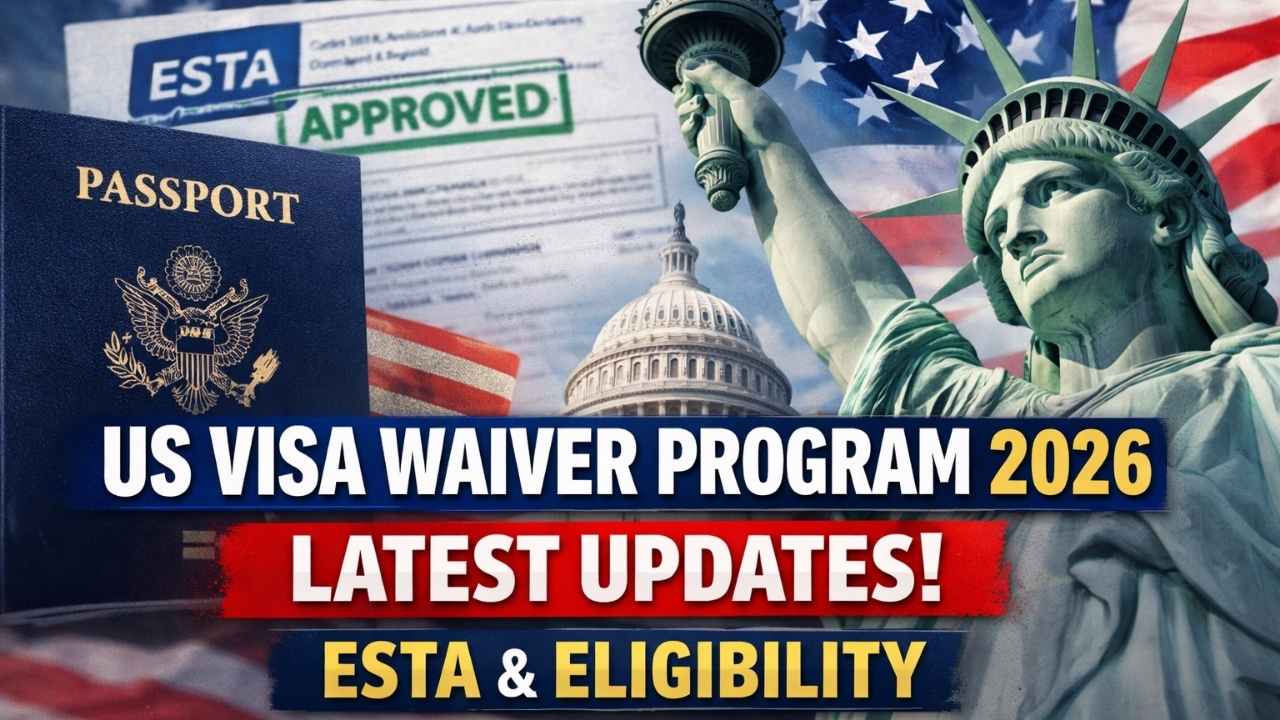
The Visa Waiver Program currently includes 42 participating countries. These nations must meet strict security and passport standards to remain on the list. Countries such as Germany, Japan, Australia, South Korea, and the United Kingdom continue to qualify. The United States regularly reviews membership based on visa refusal rates, passport security systems, and diplomatic cooperation.
India is not part of the Visa Waiver Program. Indian passport holders must still apply for a visitor visa through the US embassy. This process can take several months, which is why many Indian travelers closely follow any updates related to the program.
How ESTA Authorization Works
Travelers from eligible countries must apply for ESTA, which stands for Electronic System for Travel Authorization. ESTA is not a visa but an online travel approval. Applicants provide passport details, personal information, and answer security questions. In most cases, approval is granted quickly, but it is recommended to apply at least 72 hours before departure.
An approved ESTA is usually valid for two years or until the passport expires. It allows multiple short visits, but each stay cannot exceed 90 days. Travelers must hold a valid biometric e-passport with a digital chip. Older passports without electronic features are not accepted.
Entry Is Not Automatically Guaranteed
Even with ESTA approval, entry into the United States is not guaranteed. Final decisions are made by border officers at the airport or port of entry. Travelers may be asked to show return tickets, hotel bookings, or proof of financial support. If the purpose of travel is unclear, entry can be denied.
The program also has restrictions. Individuals who have traveled to or hold citizenship in certain restricted countries may not qualify for ESTA and must apply for a regular visa instead. Dual nationals should carefully review eligibility rules before applying.
Purpose of Travel and Important Limits
The Visa Waiver Program allows travel for tourism, short business visits, and transit. It does not allow employment, long-term study, or permanent settlement. Overstaying even by a short period can lead to future travel restrictions.
Business travelers should carry documents explaining their visit, such as conference registrations or employer letters. Border officers may ask questions to confirm that the visit follows program rules.
Disclaimer: This article is for general informational purposes only and does not provide legal advice. Visa and travel rules may change at any time. Travelers should always verify details through official US government websites before making travel arrangements.