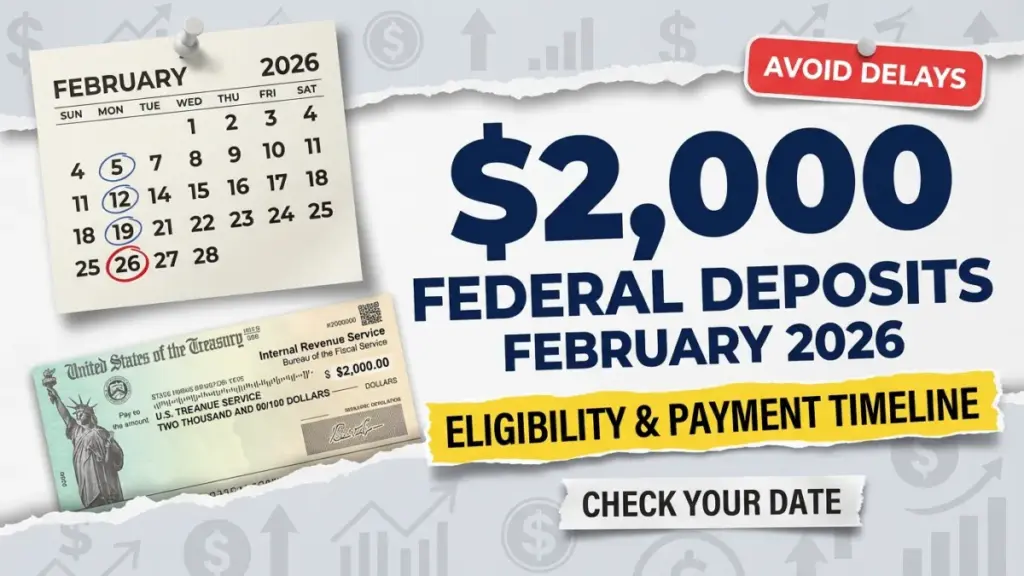
The beginning of the year often brings added financial pressure. Winter heating bills usually increase, and many families are still paying off credit card balances from holiday spending. At the same time, food prices and basic necessities continue to stretch monthly budgets. In this situation, a one-time deposit of $2,000 could help cover urgent expenses and ease short-term financial strain.
How a $2,000 Payment Could Support Households
Although a single payment cannot solve long-term money challenges, it can offer important breathing space. Some families may use the funds to pay rent or mortgage installments that are due soon. Others might apply the money toward electricity bills, medical costs, or essential household purchases.
People carrying high-interest debt may choose to reduce their credit card balances, which can lower future interest payments. Some households may save part of the deposit to build an emergency fund. Even a small savings cushion can help manage unexpected costs such as car repairs or healthcare needs. Beyond financial help, knowing that basic bills are covered can reduce stress and bring emotional comfort.
Who May Qualify for the Payment
Federal relief payments usually depend on income levels, tax filing status, and participation in government programs. Low- and middle-income taxpayers are often prioritized. Adjusted gross income from the most recent tax return typically determines whether someone receives the full amount or a reduced payment.
Social Security retirement beneficiaries, Supplemental Security Income recipients, and Social Security Disability Insurance recipients are commonly included in federal relief programs. Veterans receiving certain benefits may also qualify. Individuals who have filed their latest tax return and updated their personal information are more likely to receive payments without delay.
How Payments Are Normally Distributed
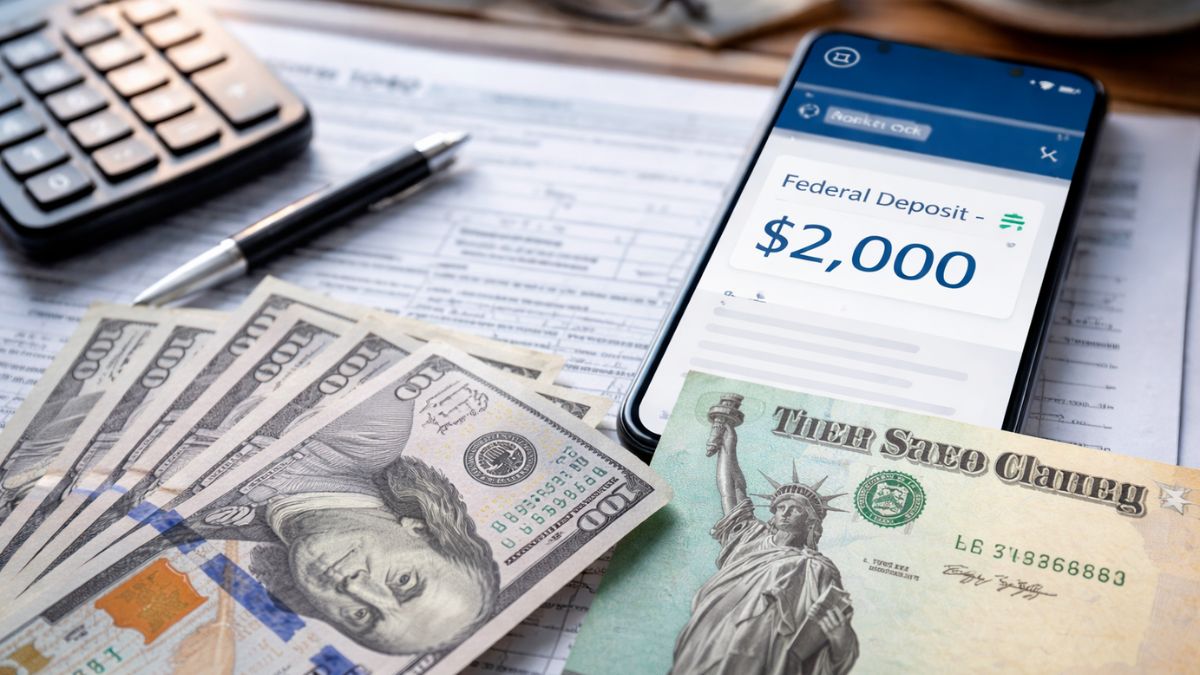
Federal payments are usually issued in phases. Direct deposits for people with active bank accounts on file are often processed first. Paper checks and prepaid debit cards are typically sent later in the distribution period. Direct deposit remains the fastest and safest method, with funds often appearing within a few business days after processing.
To avoid delays, individuals should confirm that their bank details and mailing addresses are correct. Filing the most recent tax return helps ensure that records are current and accurate.
Conclusion
A $2,000 federal direct deposit in February 2026 could provide meaningful short-term support for families facing higher expenses. While final eligibility and timing depend on official government decisions, staying informed and keeping financial records updated can help households prepare with confidence.
Disclaimer: This article is for general informational purposes only. Payment eligibility, amounts, and timelines depend on official government announcements and individual tax records. Readers should verify all details through authorized IRS or government sources before making financial decisions.